
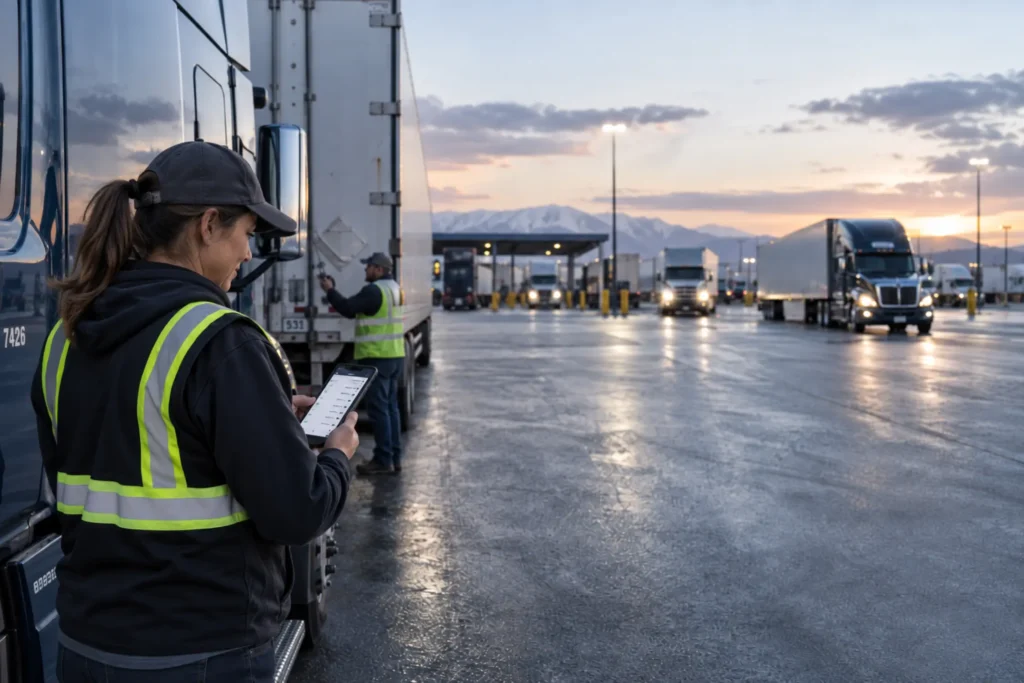
When Transportation Operations Become Too Complicated
Your transportation operation may already depend on an ERP, ELD, driver applications, carrier portals, spreadsheets, and other systems.
The problem begins when your team has to move between all of them just to keep a shipment moving. Manual dispatching, disconnected portals, and delayed shipment updates can turn simple transportation decisions into time-consuming coordination. GRENNEX’s TMS addresses these challenges by bringing transportation workflows, stakeholders, and operational data together through its Unified Logistics Control Platform™, helping you automate repetitive work, coordinate across multiple users, and maintain real-time visibility from dispatch to delivery.
From Manual Dispatching to Automated Transportation Execution
Dispatchers shouldn’t have to spend their day repeatedly entering information, calling drivers, checking shipment statuses, and coordinating updates across separate systems.
GRENNEX’s Unified Logistics Transportation Management Software provides dispatch and load management, workflow automation, AI-powered logistics support, and transportation execution capabilities designed to reduce that manual workload. Your team can manage dispatching, load planning, fleet coordination, carrier management, and shipment execution from a connected environment. Instead of reacting to every routine task individually, you gain a platform that helps automate workflows and gives your team more time to focus on exceptions and decisions that require human attention.
One Connected Environment for Your Multiple Logistics Portals
Now consider how many people need access to transportation information.
Drivers, dispatchers, carriers, brokers, shippers, warehouse teams, customers, and back-office personnel may all require different information at different points in the shipment lifecycle. GRENNEX addresses this fragmentation through a multi-portal environment where stakeholders can work from the same connected operational ecosystem rather than relying on isolated portals and communication channels. Its integration capabilities also allow you to connect technologies you already use, including EDI, ELDs, ERP systems, and other backend systems through the GRENNEX Marketplace and open integration architecture. The result is not another isolated application; it is a more connected way for your existing logistics technology to work together.
Real-Time Visibility Turns Information Into Action
Knowing where a shipment is matters, but knowing what is happening allows you to act.
GRENNEX provides real-time shipment and fleet visibility, allowing you to monitor loads, drivers, deliveries, documents, and operational status through a centralized platform. When a delay or disruption occurs, your team can access current information instead of waiting for manual updates or piecing together information from different sources. GRENNEX also combines real-time data with AI-powered analytics and alerts to support proactive decisions, such as adjusting schedules or responding to potential disruptions before they affect your customers. This is where the Unified Logistics Control Platform™ becomes more than a tracking solution: it connects visibility with the workflows and decisions required to keep transportation moving.
Move From Disconnected Operations to Connected Logistics
The future of transportation isn’t necessarily about adding another application to your technology stack.
It’s about creating an environment where the systems, people, and processes you already depend on can work together more effectively. GRENNEX’s TMS combines dispatch and load management, workflow automation, multi-portal collaboration, integrations, and real-time tracking within the Unified Logistics Control Platform™ to help you reduce manual effort and respond faster across your transportation network. If you’re looking for a smarter way to eliminate disconnected logistics systems and improve how your operation moves from planning to delivery, Visit the GRENNEX LinkedIn Page for more insights into connected transportation technology and logistics innovation.